From Language Barriers to Global Success: What 5 Remarkable Leaders Teach Us About English and Opportunity
From Language Barriers to Global Success: What 5 Remarkable Leaders Teach Us About English and Opportunity
Can You Succeed Globally If English Is Not Your First Language?
Many professionals quietly worry about one question:
“Will my English hold me back?”
If English is not your native language, you may have experienced moments like these:
hesitating during meetings
feeling less confident in presentations
struggling to express complex ideas
worrying about making mistakes
These experiences are incredibly common.
But history shows something powerful:
Language barriers don’t stop success.
They challenge you — but they can also strengthen you.
Many influential global figures started their journey in exactly the same position: learning English while navigating entirely new environments.
Let’s look at five remarkable examples.
Madeleine Albright: From Refugee to U.S. Secretary of State
Madeleine Albright, the first female U.S. Secretary of State, arrived in the United States as a refugee.
English was not her first language.
She later reflected on that experience with remarkable honesty:
“I was a refugee. I didn't speak English when I got here, so I know what it's like.”
Her story highlights an important truth.
Learning a language is not just about vocabulary.
It’s about adapting, observing, and integrating into a new environment.
And over time, that experience often creates stronger communicators — people who understand nuance, perspective, and cultural context.
Malala Yousafzai: Finding a Voice Across Languages
Malala Yousafzai became the youngest Nobel Prize laureate in history.
Growing up in Pakistan, she had to navigate multiple linguistic environments while advocating for education on a global stage.
Her words capture the essence of communication beyond language barriers:
“I speak not for myself but for those without voice.”
Her story reminds us that communication is not just technical.
It’s emotional, cultural, and purposeful.
Language is the tool — but purpose is the engine.
Arianna Huffington: From Language Struggles to Media Leadership
Arianna Huffington, co-founder of The Huffington Post, moved from Greece to the United Kingdom as a young student.
Like many international professionals, she had to adapt to a new linguistic environment quickly.
Her reflections on success are revealing:
“Failure is not the opposite of success; it's part of success.”
Language learning works the same way.
Mistakes are not signs of failure.
They are signs of progress in action.
Professionals who embrace this mindset improve faster because they allow themselves to practise, experiment, and grow.
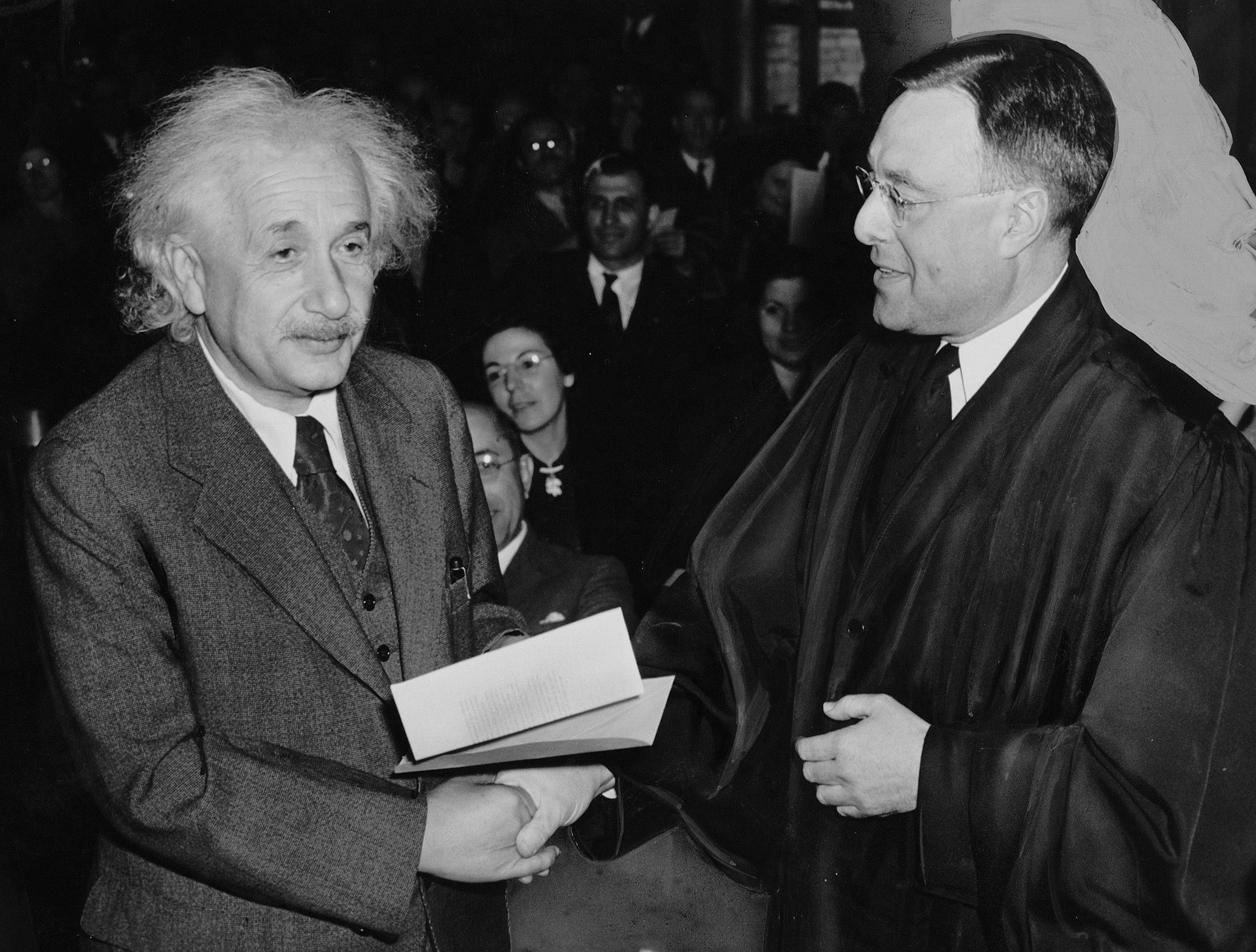
Albert Einstein: Learning Through Experience
Even one of the most influential scientists in history experienced linguistic and cultural transitions.
Albert Einstein moved between multiple countries and academic environments throughout his life.
He famously said:
“The only source of knowledge is experience.”
This insight applies perfectly to language learning.
You don’t master communication by memorising rules.
You master it by using the language in real situations.
Meetings, presentations, discussions, and collaboration are where real learning happens.
Sandra Oh: Overcoming Isolation Through Communication
Award-winning actress Sandra Oh has spoken openly about her early career experiences in environments where language and culture felt unfamiliar.
She once described the feeling like this:
“I felt very isolated. I didn't speak the language, and I had this overwhelming sense of not knowing what was going on.”
Many professionals recognise this feeling.
Starting in a new environment — especially in another language — can feel disorienting.
But those moments often build resilience.
Over time, communication becomes easier, confidence grows, and opportunities expand.
What These Stories Have in Common
Despite their different fields — politics, activism, media, science, and entertainment — these individuals share something important.
They all:
started from linguistic disadvantage
faced uncertainty
persisted despite communication barriers
developed confidence over time
Their success wasn’t about perfect English.
It was about determination, resilience, and consistent improvement.
The Reality for Professionals Today
Modern workplaces are increasingly international.
Even if you work in a local company, you may interact with:
international clients
global teams
multinational partners
remote colleagues
In these environments, English becomes a bridge language.
But here’s the key point:
You don’t need perfect English.
You need effective English.
That means being able to:
explain ideas clearly
ask questions confidently
participate in meetings
collaborate with diverse teams
👉 Want to build that confidence faster?
If you’d like support improving your professional English for real workplace situations — meetings, presentations, leadership communication — you can book a meeting with me and we’ll explore the best strategy for your goals.
How Professionals Can Turn Language Challenges into Strengths
Many non-native professionals develop powerful skills precisely because they learned another language.
For example:
Greater listening ability
When you work in a second language, you learn to listen carefully.
This improves collaboration and empathy.
Clearer communication
Many international professionals naturally develop structured communication styles.
They focus on clarity rather than unnecessary complexity.
Cultural awareness
Working across languages increases cultural sensitivity — an essential leadership skill in global organisations.
The Most Important Mindset Shift
The biggest obstacle in language learning is not vocabulary.
It’s mindset.
Many professionals believe they must reach a “perfect level” before speaking confidently.
But successful communicators take a different approach.
They speak early.
They practise often.
They improve gradually.
Confidence comes after practice, not before.
Questions About Language Barriers
Can you succeed if English is not your first language?
Absolutely. Many global leaders built their careers while learning English as a second language.
Is perfect English necessary for career growth?
No. Clear and confident communication is more important than perfect grammar.
What helps professionals improve English faster?
Consistent practice in real professional situations.
Final Thought: Language Is a Tool, Not a Barrier
Language learning can feel intimidating.
But it’s important to remember:
Every professional communicating in a second language is already demonstrating courage and determination.
Like the figures we explored in this article, your progress will come from:
persistence
practice
curiosity
resilience
Success rarely belongs to those who speak perfectly.
It belongs to those who keep communicating.
Ready to Strengthen Your Professional Communication?
If you’d like guidance on improving your English for international work environments, leadership roles, or client communication, you can book a meeting with me and we’ll explore how to accelerate your progress.
