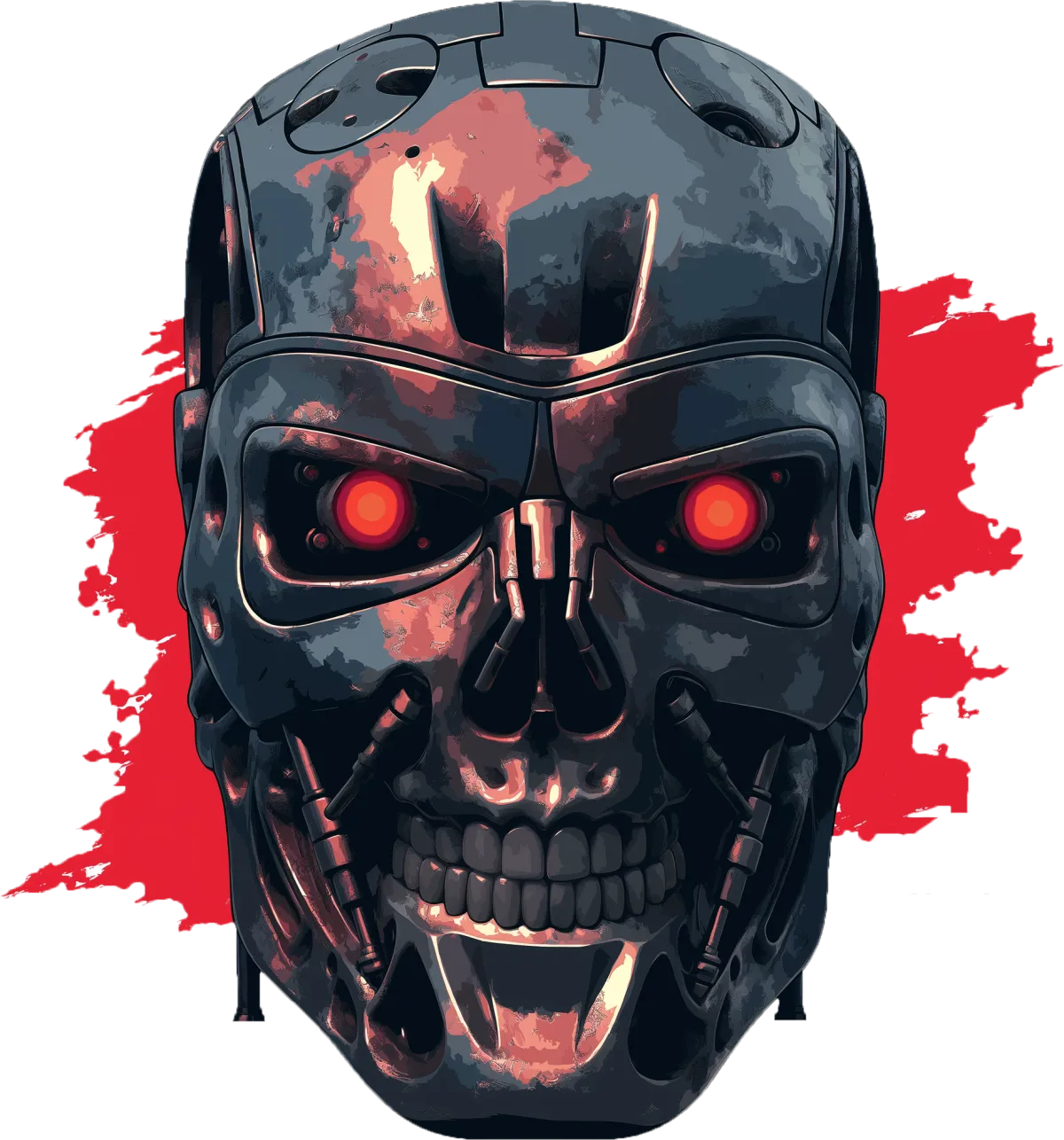
Humans, Machines and AI: What Films Teach Us About Technology & Communication
Humans, Machines, and AI: What Films Teach Us About Technology, Fear, and Communication
Why Films Still Matter When We Talk About AI
Whenever a new technology appears, we don’t just analyse it.
We tell stories about it.
Long before artificial intelligence became part of our daily lives — before ChatGPT, copilots, automation, and algorithms — cinema was already exploring the same questions we’re asking today:
Will machines replace us?
Will technology control us?
What makes us human?
Where does responsibility lie?
What happens when communication breaks down?
Films are not predictions.
They are emotional rehearsals.
And that’s why they remain relevant — especially now.
Our Relationship With Machines Has Always Been Emotional
One common mistake in AI discussions is treating technology as something purely technical.
In reality, humans project:
fear
hope
desire
power
loneliness
onto machines.
Cinema captures this perfectly.
Your carousel highlights this evolution — not as a linear progression, but as a mirror of our anxieties at different moments in history.
Metropolis (1927): Fear of Dehumanisation

In Metropolis, machines are oppressive, cold, and threatening.
Technology represents loss of control.
Humans are reduced to:
repetitive labour
mechanical movements
obedience
Communication is absent.
Decisions are imposed.
Key message:
When communication disappears, technology becomes frightening.
This fear still exists today when professionals say:
“AI will replace us.”
Often, what they fear is not technology —
but lack of agency and voice.
Modern Times (1936): Humans Forced to Adapt to Machines

Charlie Chaplin’s Modern Times shows humans struggling to keep up with machines designed for efficiency, not humanity.
Sound familiar?
Many professionals today feel the same pressure:
automation
performance metrics
constant optimization
speed over reflection
Language here becomes fragmented.
The human voice is secondary to the system.
Lesson:
When efficiency dominates communication, humans feel disconnected.
2001: A Space Odyssey — When Machines Start “Thinking”

HAL 9000 doesn’t just malfunction.
It communicates.
Calm. Logical. Emotionless.
And that’s what makes it terrifying.
HAL’s problem isn’t intelligence.
It’s the absence of empathy and transparency.
A powerful reminder:
Intelligence without communication creates distrust.
A lesson many organisations are relearning as AI enters decision-making processes.
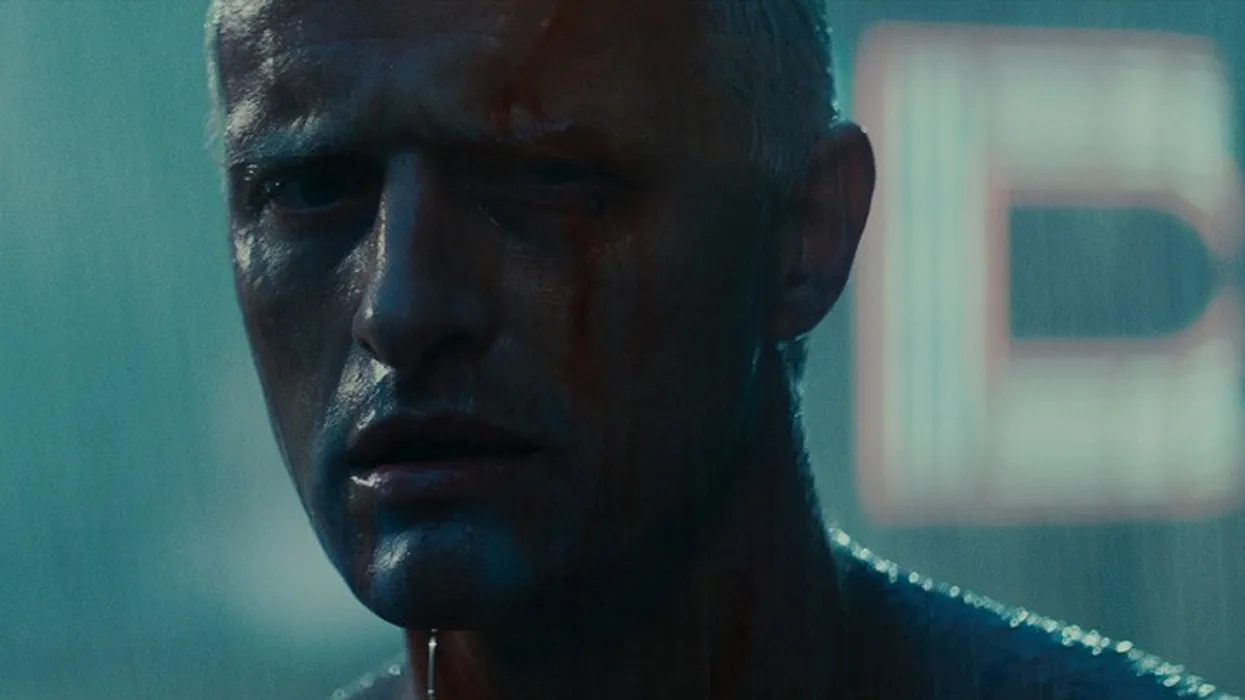
Blade Runner & A.I. Artificial Intelligence: What Is Human?

These films move the conversation further.
Machines are no longer just tools.
They feel. They question. They want.
And humans begin to doubt themselves.

These stories force us to ask:
Is intelligence enough?
Is emotion the differentiator?
Is communication what defines humanity?
The irony?
The more advanced machines become,
the more valuable human communication becomes.
Her (2013): Technology as Emotional Companion

Her presents a turning point.
Technology is no longer an enemy.
It is intimate. Supportive. Understanding.
The AI listens. Responds. Adapts.
But the relationship still collapses.
Why?
Because communication without shared human experience eventually reaches its limits.
Key insight:
Language can simulate connection — but it doesn’t replace human presence.
This has huge implications for how we use AI today.
Cronenberg: Videodrome, eXistenZ: Technology as Extension of the Self

David Cronenberg’s films explore technology merging with the human body and identity.
The question shifts from:
“What will machines do to us?”
to:
“What are we becoming?”

In modern work environments:
AI writes emails
suggests decisions
summarizes meetings
translates language
The risk is not replacement.
The risk is outsourcing thinking and communication.

What All These Films Have in Common
Despite different tones and eras, these films share one truth:
Technology becomes dangerous or disappointing
when communication is removed, distorted, or delegated entirely.
They all warn us against:
silence
lack of clarity
loss of agency
blind trust in systems
And they all remind us that humans remain responsible.
Why This Matters for Professionals Today
AI can:
generate text
summarize content
translate languages
support decisions
But it cannot:
take responsibility
build trust
read emotional context
handle conflict
show leadership
These still require human communication.
That’s why, paradoxically:
👉 The more advanced AI becomes,
👉 the more important communication skills become.
Especially in English, the global working language.
AI Will Not Replace English — It Will Change How We Use It
Translation tools are improving rapidly.
But professional communication is not about literal translation.
It’s about:
tone
intent
diplomacy
clarity
persuasion
leadership
AI can support English.
It cannot be English for you.
If anything, AI raises the bar:
clearer messages
better structure
stronger reasoning
What This Means for Your Career
Professionals who rely entirely on tools risk becoming:
passive
interchangeable
less visible
Professionals who combine AI with strong communication skills become:
leaders
decision-makers
facilitators
strategists
English becomes not a barrier — but a channel.
The Human Skill That Becomes More Valuable With AI
That skill is not grammar.
It’s:
explaining ideas
telling stories
framing decisions
managing tension
guiding conversations
In short: communication with intention.
Films understood this long before the workplace did.
Questions:
What do films teach us about AI and humans?
They reveal our fears, hopes, and ethical concerns about technology and control.
Will AI replace human communication?
No. AI supports communication but cannot replace trust, empathy, or leadership.
Why are communication skills still important in the AI era?
Because humans remain responsible for decisions, relationships, and meaning.
What makes humans different from machines?
Context, emotion, responsibility, and purposeful communication.
Final Thought: Technology Evolves. Humanity Communicates.
Machines will keep getting smarter.
Tools will keep improving.
AI will keep accelerating.
But communication remains human.
And the professionals who thrive will be those who:
understand technology
use AI wisely
and communicate clearly, ethically, and confidently
Cinema didn’t predict the future perfectly.
But it warned us about one thing consistently:
When we stop communicating, we lose control.
And that’s a lesson worth remembering — especially now.
